Australia’s agricultural and meat industries rely heavily on efficient packaging solutions to maintain product integrity throughout the supply chain, from farm to market. Among the most widely used and trusted packaging options are stockinette bags. These versatile, breathable, and durable bags have become essential in various sectors, particularly in the meat processing and produce handling industries. This article examines the increasing significance of stockinette bags in Australia, their advantages, applications, and the latest developments that are shaping their future.
What Are Stockinette Bags?
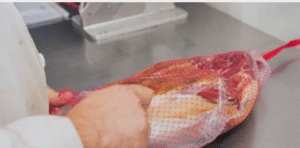 Stockinette bags are tubular knitted bags made primarily from cotton or a cotton/polyester blend. Their design provides breathability, flexibility, and strength, making them ideal for wrapping and transporting items such as meat carcasses, cured meats, and agricultural produce like pumpkins, onions, and potatoes. In Australia, stockinette bags are a staple in both large-scale farming operations and boutique producers due to their adaptability and cost-effectiveness.
Growing Demand in the Australian Market
The demand for stockinette bags in Australia has seen steady growth over the past decade, driven by two key factors: the need for sustainable packaging alternatives and the continued expansion of agricultural exports. Australian meat and produce industries are major contributors to the economy. With the increasing focus on hygiene, handling efficiency, and product presentation, stockinette bags offer a practical and professional solution.
Moreover, as Australian consumers become more environmentally conscious, stockinette bags—especially those made from natural fibres—present a more sustainable packaging alternative compared to plastic-based materials. Many Australian suppliers now offer biodegradable or reusable stockinette options that align with both local regulations and consumer preferences.
Applications Across Industries
Meat Processing and Butchery
One of the most common uses of stockinette bags in Australia is in the meat processing industry. Butchers and abattoirs use them to cover and transport carcasses, preventing contamination and reducing moisture loss. The breathable fabric allows air circulation while still providing a protective barrier, which is crucial for maintaining meat quality during transit or cold storage.
Produce and Horticulture
In horticulture, stockinette bags are frequently used to package fruits and vegetables such as melons, squash, and potatoes. Farmers and wholesalers appreciate their strength, stretch, and breathability, which help reduce spoilage and bruising. Additionally, stockinette bags can be dyed or tagged for product branding and traceability—an increasingly important requirement in the modern supply chain.
General Industrial Use
Beyond food industries, stockinette bags are also used for general industrial applications, including component packaging, protective wrapping for metal parts, and even as cleaning cloths in mechanical settings. Their durability and absorbency make them suitable for a wide range of non-food applications, contributing to their popularity in Australian warehouses and workshops.
Benefits of Using Stockinette Bags
Breathability
The breathable nature of stockinette fabric helps prevent the accumulation of condensation, which is especially important for perishable goods. Whether used in refrigeration or ambient storage, this property reduces the risk of spoilage.
Customisation
Australian suppliers often offer stockinette bags in various weights, lengths, and colours, enabling businesses to choose the most appropriate solution for their products. Some suppliers also provide custom branding or labelling services, which can enhance product presentation and market appeal.
Cost-Effectiveness
Compared to rigid packaging alternatives, stockinette bags are lightweight, easy to store, and simple to apply, reducing both packaging costs and labour time. Their reusability, especially in non-consumable applications, also adds to their economic value.
Eco-Friendliness
With the growing focus on sustainability, stockinette bags made from natural fibres or biodegradable blends offer a green alternative to plastic wraps and mesh. Several Australian suppliers have taken steps to ensure their stockinette offerings meet environmental standards without compromising on strength or usability.
Conclusion:
Stockinette bags in Australia have proven to be an indispensable packaging solution across a wide range of industries, including meat processing, agriculture, and industrial use. Their breathability, durability, and eco-friendly nature make them a preferred choice for businesses aiming to maintain product quality while supporting sustainable practices. As market demands evolve and environmental regulations tighten, the flexibility and adaptability of stockinette bags continue to offer Australian producers a competitive edge. With ongoing innovations in materials and manufacturing, stockinette bags are well-positioned to remain a vital component of Australia’s packaging landscape for years to come.