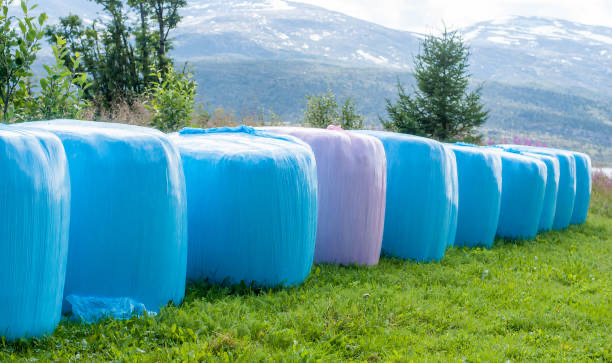
In Australia’s agricultural sector, maintaining the nutritional integrity of feedstocks is essential for ensuring optimal livestock health and productivity. With unpredictable climate patterns and the growing need for sustainable feed storage, farmers are turning to advanced preservation methods. Among these, silage film Australia has emerged as a vital tool, helping producers lock in nutrients, reduce spoilage, and extend the shelf life of their silage.
Why Nutritional Preservation Matters for Australian Farms
Australian livestock operations, whether in the dairy-rich regions of Victoria or the expansive cattle stations of Queensland, depend heavily on nutrient-rich feed throughout the year. Seasonal fluctuations and drought conditions often make fresh forage scarce, increasing reliance on stored feed. Poorly preserved silage can lead to nutrient degradation, resulting in lower protein content, reduced digestibility, and compromised animal health.
By using high-quality silage film, farmers can significantly slow down the oxidation process, minimising nutrient loss and ensuring their animals receive consistent, high-energy feed.
How Silage Film Protects Feed Quality
Silage film acts as a protective barrier, sealing feed from exposure to air, moisture, and contaminants. Once forage is harvested and compacted, wrapping it with oxygen-impermeable film is critical to triggering anaerobic fermentation. This process not only preserves the natural sugars and proteins but also inhibits the growth of harmful bacteria and mould.
For instance, in southern Australia, where cooler temperatures can prolong fermentation, using high-performance silage film Australia ensures the fermentation process remains stable, preserving feed quality for extended periods. The film’s multi-layer structure also provides extra durability, protecting against UV damage in the harsh Australian sun.
Impact on Livestock Health and Productivity
Quality nutrition directly impacts livestock output. Dairy cows fed with well-preserved silage produce more milk with higher butterfat content, while beef cattle experience better weight gain and meat quality. By preventing nutrient deterioration, silage film plays a direct role in enhancing farm profitability.
In northern regions such as the Northern Territory and parts of Western Australia, where heat and humidity can accelerate spoilage, using the right silage film minimises dry matter loss and maintains feed palatability. This results in improved intake rates, supporting consistent weight gain and reproductive performance.
Economic Benefits of Nutrient Preservation
While the primary goal of silage film is to maintain feed quality, the economic advantages cannot be overlooked. Reduced spoilage means less waste and more value from every hectare of harvested forage. This is particularly important for Australian farmers managing tight margins due to rising input costs.
Investing in premium silage film Australia also reduces the need for costly supplementary feed during low-yield seasons. By retaining a higher nutritional profile in stored silage, farmers can rely less on imported grains and protein supplements, improving both sustainability and profitability.
Adapting Silage Practices to Australian Conditions
Australian climates vary dramatically, from the cool temperate zones of Tasmania to the hot, arid outback. This diversity requires adaptable silage management strategies. Farmers in wetter coastal regions often face challenges with excess moisture in forage, which can lead to poor fermentation. Using high-quality silage film with superior sealing capacity helps maintain an optimal anaerobic environment, preventing spoilage.
Conversely, in drier inland areas, preventing oxygen ingress is crucial to avoid excessive drying and nutrient loss. The use of puncture-resistant films ensures the feed remains tightly sealed even when stored outdoors under extreme conditions.
Innovations in Silage Film Technology
Modern silage film products are far more advanced than those used a decade ago. Innovations such as multi-layer co-extrusion technology, enhanced UV resistance, and stretchability have made films more efficient and durable. Some Australian suppliers now offer biodegradable options, aligning with the agricultural industry’s push towards more environmentally friendly practices.
These advancements mean that farmers can store silage for longer without compromising nutritional value, ensuring year-round feed security regardless of seasonal variability.
Conclusion: A Smart Investment for Australian Agriculture
For Australian farmers, protecting the nutritional value of feedstocks is not just about animal health—it’s about securing farm profitability and sustainability. Silage film provides a reliable, cost-effective solution to lock in nutrients, reduce spoilage, and ensure livestock receive high-quality feed year-round.
By choosing the right silage film Australia for their specific climate and storage needs, producers can safeguard their investments, improve herd performance, and build resilience against unpredictable seasons. In a country where agricultural success is closely tied to resource efficiency, silage film stands out as an indispensable tool for modern feed management.