In New Zealand’s evolving landscape of energy, infrastructure, and healthcare, Siemens is playing a vital role in shaping the nation’s future through cutting-edge technologies and sustainable solutions. As New Zealand commits to cleaner energy, smarter cities, and improved healthcare outcomes, Siemens stands as a strategic partner for both industries and government sectors. From powering renewable grids to enabling digital hospitals and building resilient infrastructure, Siemens’ presence is redefining innovation across the country.
Empowering New Zealand’s Renewable Energy Transition
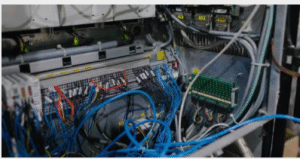 New Zealand is globally recognised for its clean, renewable energy sources, with around 80% of its electricity coming from renewables. However, meeting net-zero targets by 2050 requires more than clean generation—it requires intelligent energy management. Siemens offers state-of-the-art grid technologies, such as smart transformers, digital substations, and real-time monitoring systems that optimise performance, reduce energy loss, and stabilise the national grid.
One significant example of Siemens’ contribution is its support for New Zealand’s distributed energy networks through automation and control systems. These innovations help integrate solar, wind, and hydro energy seamlessly into the energy mix, allowing for decentralised and community-based energy solutions. By doing so, Siemens enables utility companies and local governments to future-proof their operations and ensure reliable, clean energy for all New Zealanders.
Building Resilient and Smart Infrastructure
In cities such as Auckland, Wellington, and Christchurch, the need for more innovative infrastructure is urgent. With population growth, climate change, and seismic activity all posing significant challenges, local councils and private developers are seeking high-tech infrastructure partners who can deliver durable, flexible, and future-ready solutions.
Siemens has played a pivotal role in the digital transformation of infrastructure across New Zealand. Their innovative building technologies use IoT sensors, AI-driven analytics, and energy-efficient systems to enhance safety, reduce operational costs, and improve the occupant experience in public buildings, commercial centres, and transport hubs.
For example, in Wellington, Siemens’ infrastructure automation tools are helping property managers and developers integrate energy-efficient lighting, air conditioning, and security systems that not only reduce environmental impact but also increase property value and rental yields. In a competitive real estate market, such features make properties more attractive to high-quality tenants.
Transforming Healthcare with Technology
The healthcare sector in New Zealand faces growing demands: ageing populations, rising costs, and the need for more personalised and effective care. Here again, Siemens is leading with advanced medical technologies, including precision imaging, laboratory diagnostics, and AI-assisted diagnostics, which improve patient outcomes and reduce pressure on medical staff.
Hospitals and private clinics across New Zealand are increasingly turning to Siemens Healthineers for equipment like MRI scanners, CT machines, and remote diagnostic tools.
These systems are not only faster and more accurate, but they also integrate seamlessly with digital hospital systems, supporting data-driven clinical decisions and personalised treatment pathways.
Siemens’ commitment to local training and workforce development further enhances the healthcare ecosystem, ensuring that New Zealand’s health professionals are equipped to maximise the benefits of these technologies.
Why Local Partnerships Matter
Innovation cannot happen in isolation. One of Siemens’ key strengths in New Zealand is its collaborative approach—working alongside iwi (Māori tribes), local businesses, government agencies, and universities to develop solutions tailored to local challenges. Whether it’s co-developing an innovative energy solution with a regional council or supporting research in a university lab, Siemens ensures its technologies are culturally appropriate, economically viable, and future-focused.
For landlords and developers, this presents an opportunity. Partnering with technology leaders like Siemens can unlock long-term returns through energy-efficient designs, more intelligent building systems, and higher tenant satisfaction. These upgrades can be achieved without extravagant costs, thanks to scalable technologies and government incentives for green infrastructure.
Conclusion:
Siemens is more than just an international engineering brand—it’s a cornerstone of New Zealand’s sustainable and digital future. Whether it’s helping cities prepare for climate resilience, transforming hospitals through precision medicine, or modernising energy grids for renewable integration, Siemens is embedded in the nation’s progress.
For stakeholders across public and private sectors—especially in property, utilities, and healthcare—the message is clear: working with Siemens can deliver both innovation and economic value. By choosing the right partner, New Zealand can not only meet its national goals but exceed them efficiently, sustainably, and smartly.