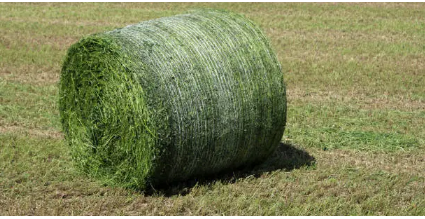
In Australia’s demanding agricultural landscape, farmers face constant challenges protecting hay and silage. With unpredictable weather, long storage periods, and the need for efficient handling, choosing the right bale protection is critical. This is why many producers across the country rely on net wrap. Known for its durability and superior performance compared to traditional baling methods, net wrap has become a vital tool for maintaining fodder quality and improving on-farm efficiency.
Net wrap is a specialised material designed to create a secure protective layer around baled hay or silage. Unlike traditional twine, which requires numerous rotations to hold a bale together, net wrap covers the bale surface more evenly and requires far fewer rotations. This results in tighter, more uniform bales that are easier to handle, transport, and store. For Australian farmers who often work under tight schedules and harsh conditions, this efficiency is a major advantage.
One of the primary reasons farmers depend on net wrap is its ability to significantly reduce spoilage. Hay quality is essential for livestock health, especially in regions prone to drought or extreme weather. When hay is exposed to moisture, sunlight, or pests, its nutritional value declines rapidly. Net wrap provides a stronger, more consistent barrier against these elements, helping preserve moisture levels and protect the outer layer of the bale. This means less wastage and more usable feed during critical times of the year.
Another important benefit of net wrap is the time savings it provides. In large-scale operations where every minute counts, reducing baling time can make an enormous difference. Net wrap allows farmers to complete baling quickly because it requires fewer revolutions to secure each bale. This leads to faster field turnaround, especially during short harvesting windows. In areas like rural Queensland, New South Wales, and Western Australia, where weather conditions can change abruptly, baling faster can help prevent crop damage and ensure more consistent yields.
Net wrap also supports improved bale handling. Because they form a smooth, even surface, bales wrapped with net wrap are easier to move and stack. This reduces the likelihood of tearing or deformation during transport. For farmers who sell baled hay to other producers or commercial buyers, the consistent shape and presentation of net-wrapped bales add a professional finish, boosting buyer confidence. In export markets, where quality standards are high, using net wrap can help Australian producers meet the expectations of international clients.
Durability is another reason net wrap has become so valuable. High-quality net wrap is designed to withstand exposure to sun, wind, and rain. Many brands incorporate UV stabilisers to ensure long-lasting protection even in Australia’s intense sunlight. This level of resilience is crucial, particularly for farmers who store bales outdoors for extended periods. When properly applied, net wrap maintains its tension throughout storage, helping prevent bale expansion and reducing the risk of moisture entering the fodder.
Cost-effectiveness is also an important consideration. While net wrap may have a higher upfront cost compared to traditional twine, the long-term savings are significant. Reduced spoilage, quicker baling times, and improved handling efficiency all contribute to lowering overall operational costs. For livestock farmers managing tight budgets, these benefits make net wrap a smart investment that delivers reliable returns season after season.
Sustainability is also becoming a factor in the adoption of net wrap. Many manufacturers now offer recyclable net wrap options, enabling farmers to reduce their environmental impact. As Australia continues to prioritise sustainable farming practices, using products that support recycling and responsible waste management can help producers meet industry and community expectations.
Finally, the versatility of net wrap makes it suitable for a wide range of farming operations. Whether producing hay, straw, or silage, net wrap can be adapted to different bale sizes and types of machinery. This flexibility allows farmers to streamline operations and maintain consistency across various harvesting tasks.
In an agricultural environment where quality, efficiency, and reliability are essential, net wrap has proven indispensable. Its ability to enhance bale protection, reduce labour, minimise wastage, and withstand Australia’s harsh conditions makes it the preferred choice for farmers nationwide. As the industry continues to evolve and technology advances, net wrap will likely remain a key component of modern hay production. For Australian farmers looking to safeguard their fodder and optimise their operations, investing in high-quality net wrap delivers benefits that last long beyond the harvest season.