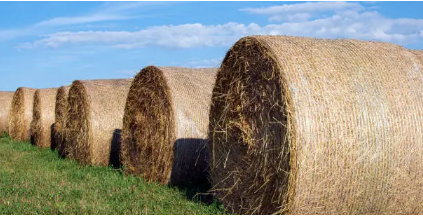
For Australian farmers, selecting the right net wrap is a critical decision that directly impacts hay and silage quality, operational efficiency, and long-term feed costs. Net wrap is a specialised material used to securely bind bales of hay or silage, protecting them from weather damage, spoilage, and nutrient loss. With Australia’s diverse climates—from the dry conditions of Western Australia to the wetter regions of New South Wales and Queensland—choosing a net wrap that is durable, cost-effective, and suited to local conditions is essential. In this guide, we explore how farmers across Australia can make informed decisions when purchasing net wrap.
Understanding the Types of Net Wrap
Australian farmers have access to various types of net wrap, each designed for specific applications. The most common categories include:
1. UV-Resistant Net Wrap – Designed to withstand harsh Australian sunlight, this net wrap prevents material degradation during prolonged exposure. This type is ideal for farms in Queensland, New South Wales, and Northern Australia, where sun intensity can quickly weaken conventional wraps.
2. Lightweight Net Wrap – Lightweight options reduce material costs while still providing adequate bale coverage. These are often used in regions with moderate weather conditions, such as Victoria and Tasmania, where extreme exposure to sunlight or rain is less of a concern.
3. High-Strength Net Wrap – This variety offers superior tensile strength, ensuring that heavy bales remain secure during transport and storage. High-strength net wrap is perfect for larger operations in South Australia or Western Australia, where bales are frequently moved long distances.
By understanding the differences between these net wrap types, Australian farmers can select a product that aligns with their regional conditions and operational needs.
Factors to Consider When Choosing Net Wrap
When selecting net wrap in Australia, several factors should guide your decision:
● Climatic Conditions: Australian farms face a wide range of weather conditions. UV-resistant wraps are crucial in sunny regions, while moisture-resistant wraps are better suited to high-rainfall areas to prevent mould formation.
● Bale Size and Density: Different balers produce bales of varying sizes and densities. Net wrap must be compatible with your equipment to ensure proper coverage and secure binding.
● Cost Efficiency: While high-quality net wrap may have a higher upfront cost, it can reduce feed loss and labour over time, making it a more economical choice in the long term.
● Ease of Handling: Lighter net wraps are easier to handle and install, reducing operator fatigue and increasing productivity during busy harvest periods.
Benefits of Using Quality Net Wrap
Investing in high-quality net wrap offers numerous advantages for Australian farmers:
● Reduced Feed Loss: Properly wrapped bales resist weather damage, helping maintain nutritional value and minimising waste.
● Improved Bale Durability: Strong net wrap prevents bales from falling apart during transport or storage, particularly important on farms with large-scale operations.
● Time and Labour Savings: Modern net wraps are quicker to apply than traditional twine, saving farmers valuable time during the peak harvest season.
● Environmental Considerations: Many Australian suppliers now offer recyclable or biodegradable net wraps, aligning with sustainability initiatives and reducing environmental impact.
Storage and Handling Tips
Proper storage and handling of net wrap are as important as choosing the right product. Keep net wrap rolls in a dry, shaded area to prolong lifespan and avoid UV damage before use. Transport rolls carefully to prevent tearing or contamination, and inspect the material regularly for defects. Farmers who follow these guidelines ensure optimal performance, regardless of Australia’s challenging climatic variations.
Choosing a Supplier in Australia
When purchasing net wrap, selecting a reputable Australian supplier is crucial. Local suppliers understand regional farming conditions and can provide guidance on the most suitable products. Many suppliers offer bulk purchasing options, delivery services, and technical support for equipment compatibility. Additionally, Australian suppliers often carry brands specifically designed for local climates, offering UV protection, moisture resistance, and high tensile strength.
Conclusion
Selecting the right net wrap is a pivotal choice for Australian farmers aiming to protect their hay and silage investments. By considering climate, bale size, cost, and durability, farmers can ensure that their feed retains quality, minimise losses, and keep operations efficient. With the variety of net wrap options available in Australia—from UV-resistant to high-strength wraps—making an informed decision tailored to local conditions is easier than ever. Investing in the right net wrap not only safeguards feed but also improves overall farm productivity, helping Australian farmers thrive in a competitive agricultural landscape.