To determine if your home is at risk for asbestos, you should get a certified asbestos test performed by a professional. You should ensure that the company you choose is reputable and has all of the necessary credentials. Additionally, it would help to look for a firm with accreditation or the right training and experience to ensure you get the best asbestos testing services. It would help if you also got multiple cost estimates before you make your final decision. Choosing an asbestos testing company can be complex, but it is well worth the effort.
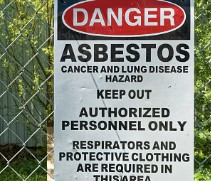 Before conducting asbestos testing, you should understand the risks associated with this material. The type of asbestos testing you need will depend on your building’s characteristics. In this article, you will learn how to conduct an asbestos inspection at home, what type of testing is required, and how much it costs. You will also learn what precautions to take while undergoing the test. Below are some of the most important steps you should follow when undergoing an asbestos inspection. Learn more from mpaasbestosremoval.com.au/asbestos-testing-adelaide asbestos testing Adelaide.
Inspecting for asbestos in your home
While many residential applications for asbestos have been eliminated, the material remains legal in more than a dozen other applications. For example, asbestos exposure can occur during DIY home renovation projects, drilling through drywall, or replacing an old pipe. In addition, asbestos-containing materials can be found in ductwork, some types of insulation, and electrical shielding. If you have concerns about asbestos, it is best to seek a professional inspection.
When inspecting your home for asbestos, look for areas of corrugated cardboard or a white chalky surface around pipes and ceilings and beams covered in wool or snow. You can hire a contractor to conduct a visual inspection, but if you’re unsure, a lab will perform a formal test. Asbestos-containing materials can be extremely dangerous to your health, so you don’t want to risk exposing yourself to asbestos.
Types of asbestos testing
There are several types of asbestos testing. PCM is one of the most common methods and is relatively inexpensive. It involves the use of a microscope to identify individual threads and particles. In addition, PCM results can be disclosed onsite, making it a popular choice for many properties. However, PCM does not distinguish between asbestos fibres and other types of airborne respirable dust. As a result, PCM is not as accurate as other types of testing.
Asbestos is common in homes, and homes built before the 1980s may contain a large amount of it. Asbestos-containing materials include roofing sheets, vinyl flooring, pipe insulation, ceiling tiles, plaster, and window caulking. Because asbestos does not have a distinctive smell, it cannot be detected through visual inspection alone. However, asbestos can be hazardous, so you should have your home tested before removing it.
Cost of asbestos testing
The costs associated with asbestos testing are dependent on the size of the building. Larger buildings may require more samples than smaller ones and are often hidden in drywall, pipes, attics, and other home areas. Additionally, the cost of testing a small building will be less expensive than a large one. Depending on the size of the building and the complexity of the project, the price of asbestos testing can range anywhere from $500 to more than $2,000 or more.
Asbestos is a highly hazardous substance that can hide anywhere, including in the attic and basement. In addition to wallboards and ceiling tiles, they can also be present in pipes, duct insulation, and cement asbestos siding. Therefore, performing an asbestos inspection of a building before it is demolished will be crucial to ensure that no asbestos is present. Testing is especially important if there is a history of asbestos contamination in the area.
Precautions to take during asbestos testing
Asbestos is a dangerous substance, so it is important to take all necessary precautions during testing. You can minimize the risk of exposure to this dangerous substance by wearing protective clothing during the asbestos sampling process. To protect yourself from asbestos’s harmful effects, you should wear a respirator and disposable gloves. In addition, asbestos-contaminated clothing should be washed separately and discarded properly. The local health department can help you with any questions about asbestos.