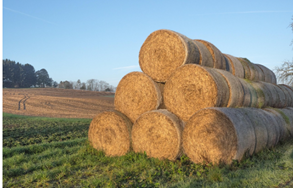
Australian hay contractors work to tight schedules, often baling large volumes while dealing with intense sun, high temperatures, dry conditions and long transport distances. In these demanding environments, reliable baling twine is more than a tying material—it is an important part of producing secure, manageable bales.
Twine that loses strength, stretches excessively, or deteriorates under ultraviolet exposure can create problems during baling, handling, and storage. Choosing a heavy-duty product designed for Australian conditions helps contractors maintain bale integrity from the paddock through to delivery.
Why Knot Strength Matters in Hay Baling
Every bale puts tension on its binding material. During compression, the twine must hold the hay firmly without snapping or pulling apart at the knot.
High knot strength is particularly important for contractors handling dense or heavy bales. Strong, consistent twine can help reduce broken ties, minimise interruptions and keep bales securely formed during mechanical handling.
When selecting baling twine, contractors should consider more than the advertised tensile strength. Knot performance, diameter consistency, stretch characteristics and compatibility with the baler all influence how reliably the product performs in real operating conditions.
Built for High-Temperature Conditions
Australia’s haymaking regions can experience prolonged exposure to intense sunlight. Equipment and materials left in paddocks, on trailers, or around storage areas may be exposed to direct UV radiation for hours.
This is where heavy-duty UV baling twine can help. UV stabilisation helps the polymer resist degradation from ultraviolet exposure, improving durability when bales are handled or stored in challenging outdoor environments.
Choosing Twine for Australian Hay Contractors
Different baling operations have different requirements. A contractor working across wheat, barley, oaten or grass hay may need a twine specification suited to bale density, baler type and expected handling conditions.
Key factors to assess include:
● Knot strength: Helps ties withstand compression and handling forces.
● UV resistance: Important when bales or spare twine are exposed to prolonged sunlight.
● Consistent diameter: Supports predictable feeding through baling equipment.
● Suitable tensile performance: Matches the demands of the baler and bale density.
● Reliable packaging: Helps keep twine clean, organised and ready for continuous operation.
A suitable agricultural packaging system should also feed smoothly through the machine. In high-volume contracting, inconsistent feeding or frequent breaks can cost valuable time during narrow weather windows.
Protecting Bale Quality Beyond the Paddock
Bale integrity remains important after the baler leaves the field. Bales may be moved by loaders, stacked, transported and stored before they reach livestock producers or other buyers.
Strong ties help maintain bale shape during these stages. While twine cannot compensate for poor baler settings, unsuitable moisture levels, or rough handling, choosing the right product is an important part of a reliable baling system.
For contractors operating across Australia’s varied agricultural regions, selecting heavy-duty UV baling twine can also help account for environmental stresses between baling and final use.
Make Every Bale Count
Reliable tying performance can make a significant difference during a busy Australian haymaking season. High knot strength, UV resistance and consistent feeding characteristics give contractors greater confidence when producing and handling demanding bales.
Before the next harvest, review your twine specifications against your baler, bale density and expected storage conditions. Choose baling twine engineered for demanding agricultural work and give your operation a dependable foundation from the first bale to the last.
Looking for dependable twine for demanding Australian conditions? Choose a heavy-duty, UV-stabilised solution suited to your baling equipment and production requirements.
—
Frequently Asked Questions
1. What makes baling twine suitable for Australian conditions?
Suitable twine should provide reliable knot strength, consistent feeding and resistance to environmental stresses such as intense UV exposure and heat.
2. Why is knot strength important in baling twine?
Strong knots help the binding withstand the compression forces created during baling and the handling involved in moving and transporting finished bales.
3. What is heavy-duty UV baling twine?
Heavy-duty UV baling twine is designed for demanding applications and incorporates UV stabilisation to improve resistance to ultraviolet-related degradation.
4. Does UV resistance matter if hay is stored indoors?
It can still be useful because bales and unused twine may be exposed to sunlight during baling, transport, loading, or temporary outdoor storage.
5. How should contractors choose the right twine?
Consider the baler type, bale density, crop, knot performance, twine specifications, expected handling conditions, and UV exposure.