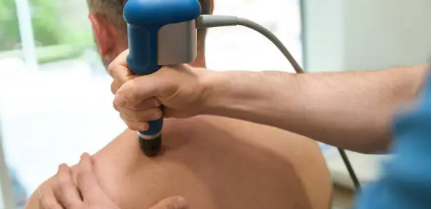
Musculoskeletal pain can significantly impact daily life, making simple activities such as walking, exercising, or working more difficult than they should be. Fortunately, shockwave therapy has emerged as a non-invasive treatment option that helps many people manage chronic pain and accelerate recovery. In Adelaide, SA, this innovative therapy is becoming increasingly popular among individuals seeking alternatives to surgery, injections, or long-term medication use.
Whether you are dealing with a sports injury, repetitive strain condition, or persistent tendon pain, understanding the common conditions treated by shockwave therapy can help you determine whether it may be a suitable option for your recovery journey.
What Is Shockwave Therapy?
Shockwave therapy is a treatment that uses high-energy acoustic waves to stimulate the body’s natural healing processes. The therapy targets damaged tissues, increases blood circulation, promotes cell regeneration, and helps break down calcified tissue that may contribute to chronic pain.
Healthcare professionals commonly use shockwave therapy to treat conditions affecting tendons, ligaments, muscles, and joints. The treatment is generally performed in a clinical setting and requires minimal downtime, making it an attractive choice for many Adelaide residents seeking effective pain relief.
Plantar Fasciitis
One of the most common conditions treated with shockwave therapy is plantar fasciitis. This condition causes pain in the heel and bottom of the foot due to inflammation of the plantar fascia, a thick band of tissue that supports the arch.
People who spend long hours standing, athletes, and individuals with poor foot biomechanics are particularly susceptible to plantar fasciitis. Shockwave therapy can stimulate healing in the affected tissue and reduce chronic inflammation, helping patients return to normal activities with less discomfort.
Achilles Tendinopathy
Achilles tendinopathy is another condition frequently managed with shockwave therapy. This injury affects the Achilles tendon, which connects the calf muscles to the heel bone.
The condition often develops due to overuse, repetitive strain, or sudden increases in physical activity. Symptoms may include pain, stiffness, and swelling around the back of the ankle. By promoting tissue repair and improving circulation, shockwave therapy can help reduce symptoms and support evident-based rehabilitation..
Tennis Elbow
Tennis elbow, medically known as lateral epicondylitis, is not limited to tennis players. It commonly affects individuals who perform repetitive gripping, lifting, or wrist movements.
Pain typically develops on the outer part of the elbow and may worsen during daily tasks. When conservative treatments have not provided adequate relief, shockwave therapy may help stimulate healing within the damaged tendon and improve overall function.
Golfer’s Elbow
Similar to tennis elbow, golfer’s elbow affects the tendons on the inner side of the elbow. Repetitive movements involving the wrist and forearm often contribute to this condition.
Workers in manual occupations, golfers, and individuals who frequently perform repetitive arm movements may experience ongoing discomfort. Shockwave therapy can target the affected tissue and encourage a stronger healing response, helping reduce pain and improve mobility.
Shoulder Calcification and Rotator Cuff Tendinopathy
Shoulder pain is a common complaint among adults, particularly those involved in physically demanding jobs or sports. Rotator cuff tendinopathy and calcific tendonitis are two conditions that can significantly limit shoulder movement and strength.
In cases of calcium deposits in tendons, shockwave therapy may help break down calcifications and promote tissue regeneration. This can lead to improved shoulder function and reduced pain over time.
Patellar Tendinopathy
Patellar tendinopathy, often called jumper’s knee, is a condition that affects the tendon connecting the kneecap to the shinbone. It is particularly common among athletes who participate in jumping and running sports.
Persistent knee pain can interfere with athletic performance and everyday activities. Shockwave therapy is frequently incorporated into rehabilitation programs to encourage tendon healing and support a gradual return to physical activity.
Hamstring Tendinopathy
Chronic hamstring pain can be frustrating and difficult to manage, especially for runners and active individuals. Hamstring tendinopathy occurs when the tendon becomes irritated or damaged due to repetitive strain.
By increasing blood flow and stimulating tissue repair, shockwave therapy can help address underlying tendon degeneration and improve recovery outcomes for patients experiencing ongoing symptoms.
Shin Splints
Shin splints are a common overuse injury that causes pain along the front or inner edge of the shinbone. Runners, military personnel, and individuals who suddenly increase their exercise intensity are often affected.
When symptoms persist, shockwave therapy may be used alongside exercise-based rehabilitation to support healing and reduce discomfort, helping individuals return to activity more confidently.
Why Adelaide Residents Are Choosing Shockwave Therapy
The growing popularity of shockwave therapy in Adelaide is driven by several benefits. It is non-invasive, requires minimal recovery time, and can be used alongside other physiotherapy and rehabilitation treatments.
Many patients appreciate that the treatment focuses on stimulating the body’s natural healing mechanisms rather than simply masking symptoms. This makes it a valuable option for individuals seeking long-term improvements in function and pain management.
Additionally, shockwave therapy is often suitable for chronic conditions that have not responded well to traditional conservative treatments, making it an appealing solution for those searching for alternative approaches.
Conclusion
From plantar fasciitis and Achilles tendinopathy to tennis elbow and chronic shoulder pain, shockwave therapy is used to treat a wide range of musculoskeletal conditions. Its ability to stimulate healing, improve circulation, and support tissue repair has made it a popular treatment choice throughout Adelaide, SA.
If you are experiencing persistent pain that is limiting your daily activities, consulting a qualified healthcare professional can help determine whether shockwave therapy may be an appropriate part of your recovery plan. With proper assessment and a tailored treatment approach, many individuals can achieve meaningful improvements in both pain levels and physical function.
This article is optimised for the keyword “shockwave therapy”, features the keyword at the beginning of the title, includes it within the first 100 words, and repeats it naturally throughout the content at appropriate intervals.