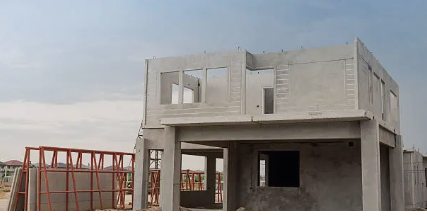
If you’re considering a knock down rebuild Adelaide project, you’re likely excited about replacing an outdated home with a modern design tailored to your lifestyle. While knock down rebuild Adelaide can be more practical than renovating, many homeowners focus only on the obvious expenses, such as construction and land preparation. However, several hidden costs can significantly affect your overall budget. Understanding these expenses before you begin can help you avoid financial surprises and keep your project on track.
Why Hidden Costs Matter in a Knock Down Rebuild
Building a new home on your existing block offers many advantages, but the process involves much more than demolishing an old house and constructing a new one. Every property is unique, and factors such as location, site conditions, council requirements, and utility connections can add to expenses.
Planning for these costs from the outset allows you to make informed decisions while maintaining realistic expectations throughout the project.
Demolition and Site Preparation Expenses
Around 250 words into your planning journey, it’s important to remember that a knock down rebuild Adelaide project begins with preparing the site—not just removing the existing home.
Demolition costs can vary depending on:
● The size and construction of the existing home
● The presence of hazardous materials such as asbestos
● Accessibility for demolition equipment
● Removal of old sheds, pools, driveways, and retaining walls
Once demolition is complete, additional site preparation may be necessary. Uneven land, poor soil conditions, rock excavation, or unexpected underground obstructions can increase costs before construction even begins.
A detailed site inspection helps identify potential issues early, allowing builders to provide more accurate estimates.
Temporary Accommodation During Construction
One expense that many homeowners overlook is the cost of living elsewhere while the new home is being built.
Depending on the construction timeline, you may need to budget for:
● Rental accommodation
● Furniture storage
● Moving costs
● Utility setup at your temporary residence
These expenses can accumulate over several months, making them an important part of your overall financial plan.
Council Fees and Approval Costs
Every rebuild project must comply with local planning regulations and building requirements.
Possible approval-related expenses include:
● Development applications
● Building permits
● Demolition permits
● Engineering reports
● Surveying services
● Infrastructure contributions where applicable
Approval timelines may also affect your project schedule, so it’s wise to include some flexibility in both your budget and timeline.
Utility Disconnections and New Connections
Before demolition can begin, existing services must be safely disconnected.
These may include:
● Electricity
● Water
● Gas
● Sewer
● Telecommunications
● Internet services
After construction, reconnecting utilities to your new home may incur additional fees, depending on your service providers and the property layout.
Landscaping and External Works
Many building contracts focus primarily on the home itself rather than everything surrounding it.
Items that are frequently excluded include:
● Landscaping
● Fencing
● Driveways
● Letterboxes
● Outdoor lighting
● Irrigation systems
● Garden beds
● Decking or paving
While these features may seem secondary, they can represent a significant investment after the home is completed.
Interior Upgrades and Builder Variations
Display homes often showcase premium finishes that are not always included in standard building packages.
Homeowners frequently choose upgrades such as:
● Stone benchtops
● Higher-quality flooring
● Premium appliances
● Feature lighting
● Custom cabinetry
● Larger windows
● Higher ceilings
While these enhancements improve comfort and resale value, they can increase the final project cost if not planned.
Unexpected Site Challenges
Even with thorough planning, unforeseen issues can arise once demolition begins.
Examples include:
● Hidden drainage problems
● Tree root removal
● Underground services
● Soil instability
● Additional retaining requirements
Setting aside a contingency fund of around 10–15% of your total budget provides valuable financial protection against unexpected discoveries.
Professional Fees You May Need to Consider
Beyond construction, several professional services may be required throughout the project.
These can include:
● Architects or building designers
● Structural engineers
● Land surveyors
● Energy efficiency assessments
● Soil testing specialists
● Conveyancing or legal services
Although these fees vary by project, they help ensure the rebuild proceeds safely and complies with all regulations.
How to Budget More Effectively
Creating a comprehensive budget starts with obtaining transparent quotes and understanding exactly what is included in your building contract.
Helpful budgeting strategies include:
● Request detailed cost breakdowns
● Clarify exclusions before signing
● Compare multiple builders
● Allow for contingency funds
● Plan landscaping separately
● Review upgrade costs early
● Monitor spending throughout construction
A well-prepared budget reduces stress and helps prevent delays caused by unexpected financial shortfalls.
Final Thoughts
A successful knock down rebuild Adelaide project involves much more than constructing a beautiful new home. By understanding the hidden costs associated with demolition, approvals, site preparation, utility connections, temporary accommodation, landscaping, and unforeseen site conditions, you can plan with greater confidence.
Careful budgeting, transparent communication with your builder, and realistic financial planning will help ensure your rebuild progresses smoothly from demolition to completion. With the right preparation, you can enjoy a modern home that meets your family’s needs without unpleasant financial surprises along the way.