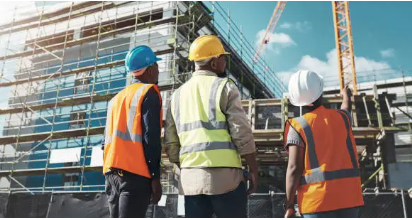
Selecting a reliable commercial construction partner is one of the most critical decisions for developers, investors, and business owners in Melbourne. The city’s fast-growing infrastructure, mixed-use developments, and industrial expansion have created strong demand for high-quality builders who can deliver complex projects on time and within budget. Finding the best commercial builder is not just about price—it involves assessing capability, compliance, project history, and long-term value.
This guide explains how to evaluate commercial builders in Melbourne and which factors truly set average contractors apart from industry leaders.
Understanding the Role of a Commercial Builder in Melbourne
A commercial builder specialises in non-residential construction projects, including office buildings, retail centres, warehouses, educational facilities, and healthcare developments. In Melbourne’s competitive construction environment, these builders must also comply with strict Victorian building codes, safety standards, and sustainability requirements.
Unlike residential builders, commercial contractors manage larger teams, more complex engineering systems, and higher regulatory scrutiny. Their role includes project planning, cost estimation, procurement, structural coordination, and on-site execution. Choosing the right partner can significantly influence a project’s timeline and financial outcome.
Why Choosing the Right Builder Matters
Commercial construction projects in Melbourne often involve multi-million-dollar investments and long-term operational implications. Poor contractor selection can result in delays, cost overruns, or compliance failures.
The best commercial builder brings more than technical skill—they provide risk management, value engineering, and transparent communication throughout the project lifecycle. This ensures stakeholders maintain control over budgets and timelines while minimising unexpected disruptions.
A capable builder also anticipates challenges such as soil conditions, zoning restrictions, and supply chain constraints that are common in urban developments across Melbourne.
Key Qualities of Leading Commercial Builders
When evaluating contractors, focus on these essential qualities:
1. Proven Industry Experience
Experienced builders understand the complexities of large-scale construction. Look for portfolios that include office towers, retail complexes, or industrial facilities within Melbourne and the surrounding suburbs.
2. Strong Regulatory Compliance
Construction in Victoria requires adherence to the National Construction Code (NCC) and local council regulations. A qualified builder ensures all permits, inspections, and certifications are properly managed.
3. Financial Stability
Commercial projects demand consistent cash flow and procurement strength. Builders with solid financial backing are less likely to face delays due to resource shortages.
4. Integrated Project Management
Top-tier builders coordinate architects, engineers, subcontractors, and suppliers under a unified project management system. This reduces inefficiencies and improves accountability.
5. Safety and Sustainability Focus
Modern developments in Melbourne increasingly prioritise green building standards and occupational health and safety compliance. A strong builder integrates energy-efficient designs and safe worksite practices from the outset.
How to Identify the Best Commercial Builder in Melbourne
Finding the right contractor requires a structured evaluation process rather than relying solely on marketing claims.
Start by reviewing completed projects similar in scale and complexity to your own. Assess whether the builder has experience in your specific sector, whether that is retail, healthcare, logistics, or office development.
Next, evaluate client testimonials and independent reviews. Consistent feedback about communication, timeliness, and problem-solving ability is a strong indicator of reliability.
Site visits are also valuable. Observing an active construction site can reveal how well the builder manages safety, organisation, and subcontractor coordination.
At this stage, it becomes easier to distinguish the best commercial builder from average contractors, as top performers consistently demonstrate efficiency, transparency, and technical precision across multiple projects.
Common Mistakes to Avoid When Hiring a Builder
Many project owners make the mistake of choosing a contractor solely on the basis of the lowest bid. While cost is important, unusually low pricing often indicates shortcuts in materials, labour, or compliance processes.
Another common issue is failing to verify licensing and insurance coverage. In Victoria, all commercial builders must hold appropriate registrations and insurance to operate legally. Overlooking this can expose developers to significant legal and financial risks.
Lastly, avoid working with builders who lack clear communication systems. Poor communication often leads to misunderstandings, delays, and disputes during construction phases.
The Importance of Long-Term Value Over Initial Cost
Commercial construction should be viewed as a long-term investment rather than a short-term expense. High-quality builders may have higher upfront costs, but they often deliver better durability, lower maintenance expenses, and stronger asset performance over time.
Projects completed by experienced builders achieve better tenant retention, higher resale value, and improved operational efficiency. This is especially important in Melbourne’s competitive property market, where asset quality directly influences financial returns.
Final Thoughts
Choosing the right commercial construction partner in Melbourne requires careful evaluation of experience, compliance capability, financial strength, and project management systems. By focusing on these factors, developers can significantly reduce risk and improve project outcomes.
Ultimately, the best commercial builder is not defined by price or marketing presence alone, but by consistent delivery of high-quality, compliant, and efficient construction outcomes across diverse project types. For stakeholders in Melbourne, this decision plays a central role in ensuring long-term success in an increasingly competitive built environment.