If you use silage film, you must ensure that the film’s quality meets your specific needs. Several factors need to be considered, including the type of polyethylene used, the opacity, and the cost of production. In addition, you should also consider the environmental impact of using this product.
Polyethylene
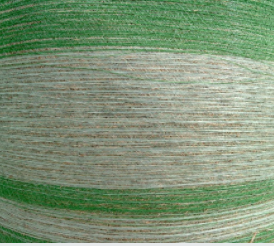 The Global Polyethylene Silage Film market report comprehensively analyses industry drivers, opportunities, challenges, and risks. It also identifies critical players and segments and provides data on the market’s revenue and sales volume. It analyses key regional markets, including North America, Europe, Asia-Pacific, and the Middle East.
Polyethylene-based silage film provides a low-cost alternative to other silage film types. The film’s composition can be 60-90 per cent polyethylene or low-density polyethylene (LDPE). Another option is dicyclopentadiene hydrocarbon resin, which can be used at a rate of three to 20 per cent.
Opacity
Opacity is an essential factor in bale wrapping. It allows you to tell when the film is properly wrapped. The film has excellent sunlight resistance and effectively insulates your bales. Opacity can be improved by adding Granic mineral masterbatches. These reduce the need for colour masterbatches and improve mechanical properties.
Opacity is measured by checking whether the film is white and is free of waviness and pores. An opaque film limits the sun’s heat and delays the silage’s fermentation. The oxygen permeability of the film has been tested and found to be 1,681 cm3/(m2)/d at.02 bar, and it is 1,800 cm3/(m2) after 24 hours. It is high enough to qualify for the DLG quality mark test seal for agricultural products.
Cost
The cost of silage film varies depending on the quality and the reputation of the manufacturers. Some manufacturers develop excellent products for a lower price, while others charge a higher price. In addition, some types of silage film are biodegradable, which is a better option for the environment and the farmers. The price also depends on the functionality of the film, as more complex products tend to cost more.
The most common silage film costs between EUR80 and EUR85 per roll. The price of five-layer films tends to be cheaper than seven-layer rolls. Some manufacturers also divide their prices by the shape and kind of film.
Environmental impact
Silage film is made from polyethylene and is used as a bale wrap. The film must be sticky and have a high cling level. A standard cling level is five to ten N/m. The PIB-free silage film has a cling level of eight to nine N/m and is produced as either a liquid or granule.
Using silage film will help protect the silage from environmental influences and help maintain the nutritional value of the feed. The film will also prevent the deterioration of the feed. Moreover, silage film protects the silage by inhibiting microbial activity and keeping the PH value within a specific range.
Cast versus blown film
If you need to wrap a large amount of silage, choosing a quality film that will prevent bursting is crucial. Typically, you should choose a cast film because it will retain its shape and clarity and is less likely to tear. On the other hand, the blown film is more likely to stretch and tear. The same manufacturer makes both types of film. The main difference between the two is that cast film is transparent and has a smooth surface. Blown film has a more aggressive adhesive that sticks to cold surfaces. It can also handle heavier loads.
While the blown film is better than the cast film, both methods have advantages. While cast film is generally thinner, blown film has a higher tear resistance. It is also stronger and has improved air permeability and tack. It also has longer roll life. Therefore, it makes it a better choice for silage production.
Recyclability
In many countries, the recyclability of silage film is very high, and the material can be used in other agricultural products. However, this process is not always straightforward. As silage film can have a high degree of contamination, proper preparation is required. For example, used films need to be separated into different fractions, as they usually contain a wide range of polymers. Additionally, they are often heavily damp, making the process of processing them difficult.